

logo
Acerca de nosotros
China Jixiang Siji Industrial Co., Ltd.
Acerca de nosotros
Jixiang Siji Industrial Co., Ltd.
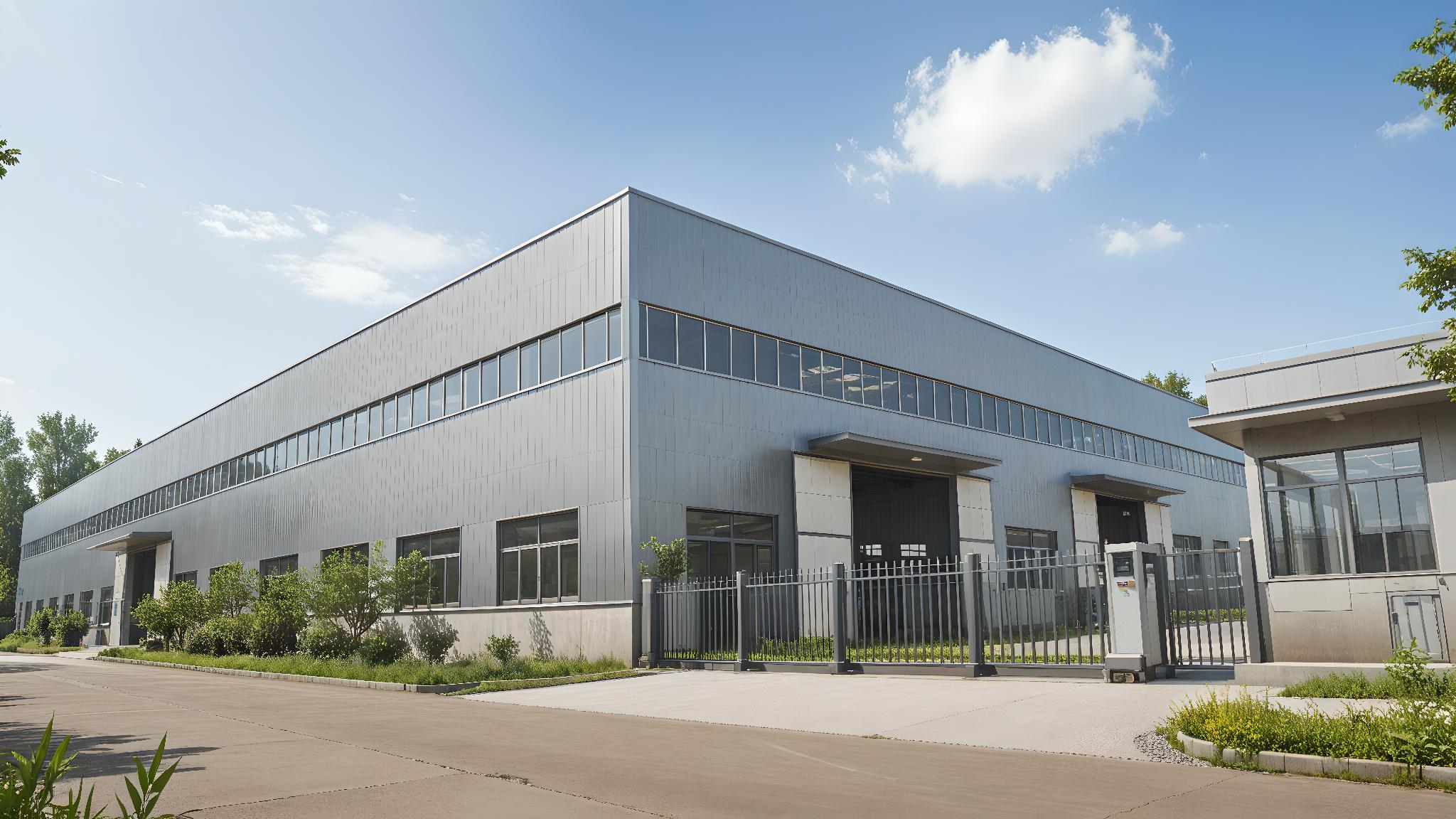
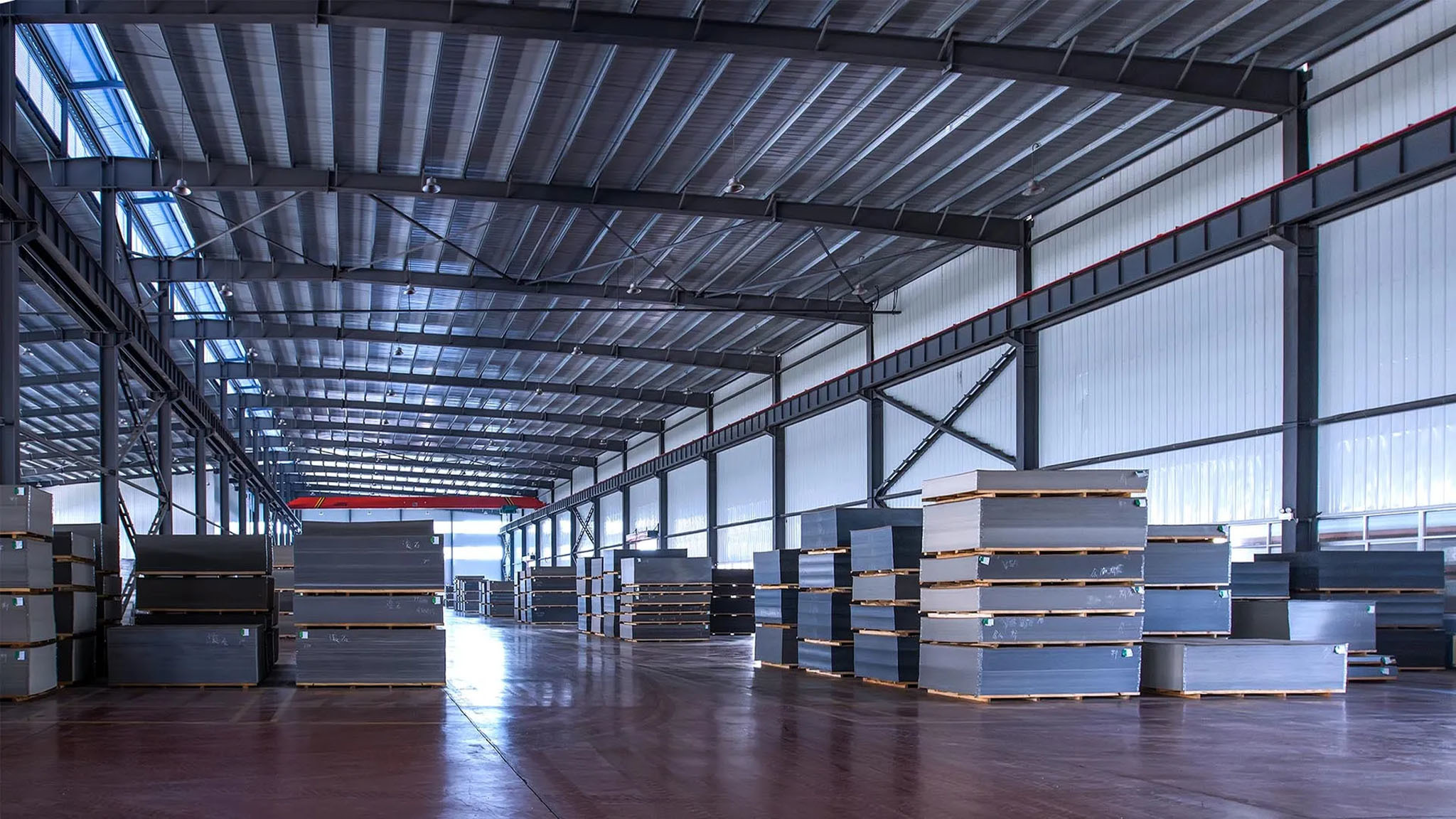
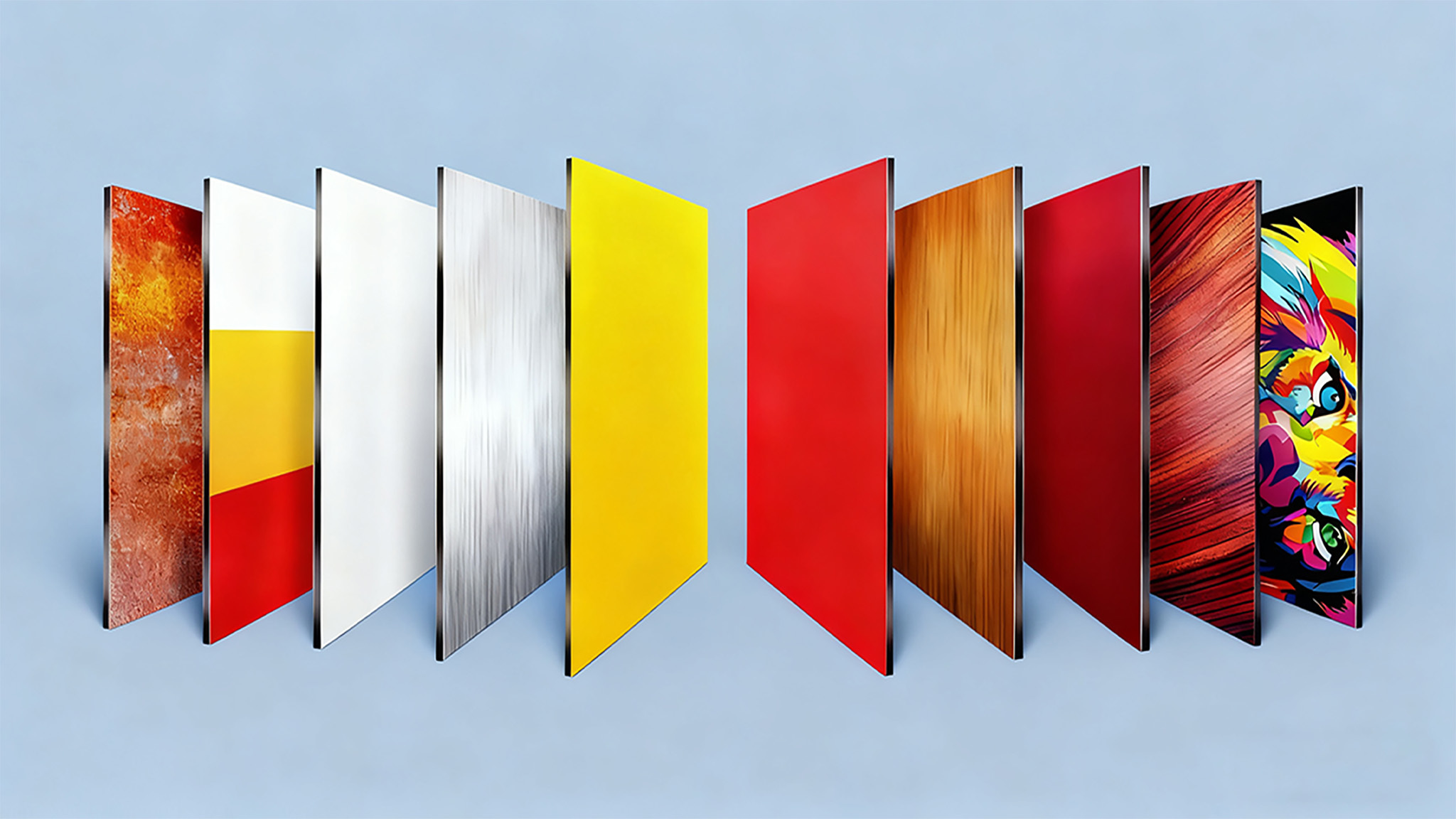
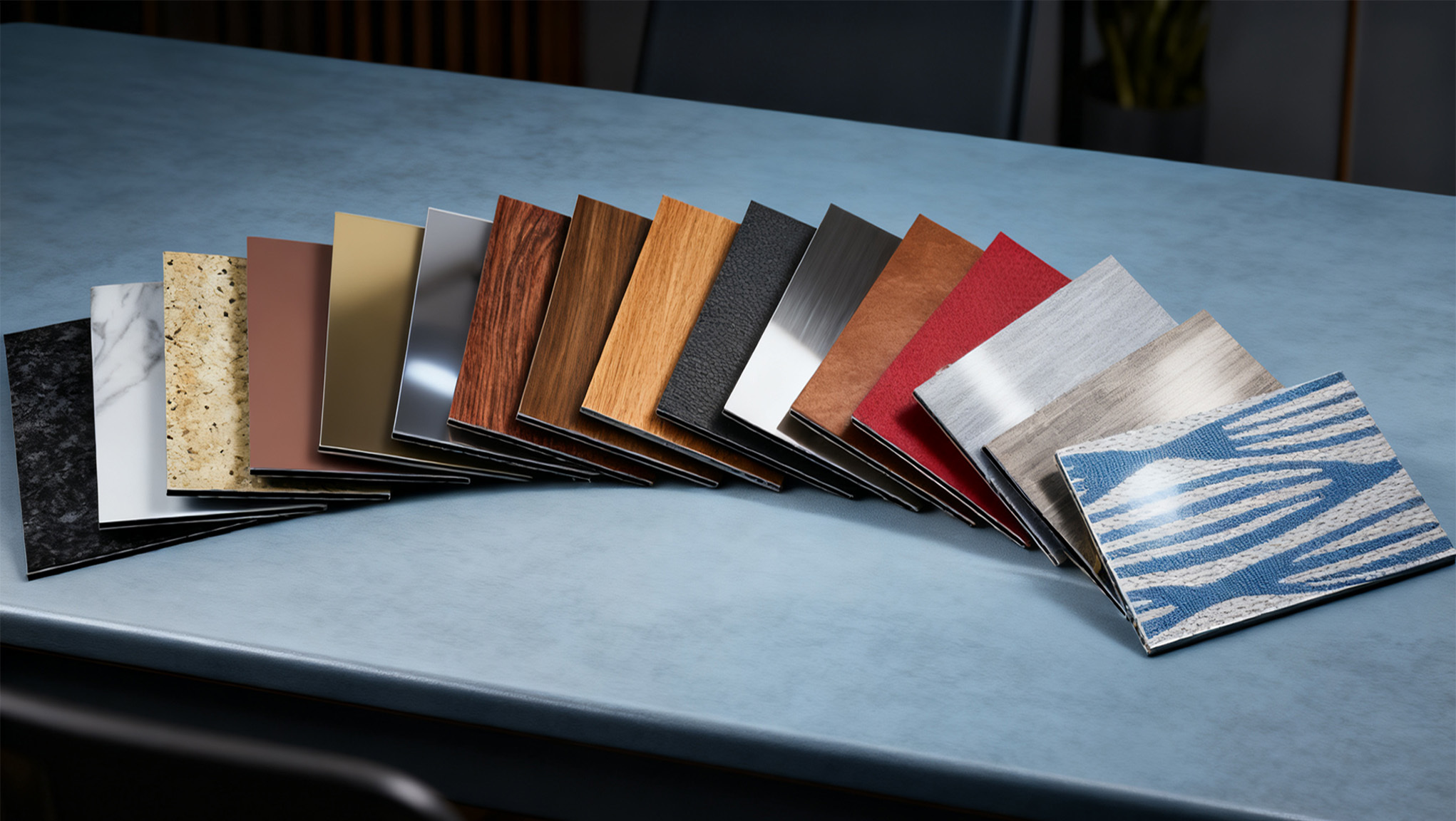
Alushang es una marca de Jixiang Siji Industrial Co.. Ltd., especializada en el procesamiento profundo y la fumigación externa de paneles compuestos de aluminio, carillas, paneles de panal de miel, paneles corrugados,y techos.La primera fase de inversión es de 30 millones de RMB, con una superficie de fábrica de 30000 metros cuadrados.con transporte conveniente y junto a un centro de distribución de recursos de placa de aluminio de alta calidadAlushang produce principalmente varios paneles de ...
Leer más
Solicitud A Citación
0+
Ventas anuales
0
Año
Clientes
0%
¿ Qué pasa?
0+
Empleados
Nosotros proporcionamos
¡El mejor servicio!
Puede ponerse en contacto con nosotros de varias maneras
Éntrenos en contacto con
Jixiang Siji Industrial Co., Ltd.

calidad Panel compuesto de aluminio PE & El panel compuesto de aluminio clasificado del fuego fábrica

Eventos
Últimas noticias de la empresa sobre Tendencias en fachadas ligeras: reducción de la carga estructural en rascacielos de Almaty con paneles de mármol ACM
Tendencias en fachadas ligeras: reducción de la carga estructural en rascacielos de Almaty con paneles de mármol ACM

2026-07-17

.gtr-container-7f3e9a { font-family: Verdana, Helvetica, "Times New Roman", Arial, sans-serif; color: #333333; line-height: 1.6; padding: 20px; max-width: 100%; box-sizing: border-box; overflow-wrap: break-word; word-break: normal; } .gtr-container-7f3e9a p { font-size: 14px; margin-bottom: 1em; text-align: left !important; } .gtr-container-7f3e9a strong { font-weight: bold; } .gtr-container-7f3e9a .gtr-title-main { font-size: 18px; font-weight: bold; color: #3176FF; margin-bottom: 1.5em; line-height: 1.3; text-align: left; } .gtr-container-7f3e9a .gtr-title-section { font-size: 18px; font-weight: bold; color: #3176FF; margin-top: 2em; margin-bottom: 1em; line-height: 1.4; text-align: left; } .gtr-container-7f3e9a .gtr-title-subsection { font-size: 16px; font-weight: bold; color: #3176FF; margin-top: 1.5em; margin-bottom: 0.8em; line-height: 1.5; text-align: left; } .gtr-container-7f3e9a ul, .gtr-container-7f3e9a ol { margin: 1em 0; padding-left: 25px; list-style: none !important; } .gtr-container-7f3e9a ul li, .gtr-container-7f3e9a ol li { position: relative; margin-bottom: 0.5em; padding-left: 20px; font-size: 14px; text-align: left; list-style: none !important; } .gtr-container-7f3e9a ul li::before { content: "•" !important; position: absolute !important; left: 0 !important; color: #3176FF; font-size: 1.2em; line-height: 1; } .gtr-container-7f3e9a ol { counter-reset: list-item; } .gtr-container-7f3e9a ol li::before { content: counter(list-item) "." !important; position: absolute !important; left: 0 !important; color: #3176FF; font-weight: bold; width: 20px; text-align: right; line-height: 1.6; } .gtr-container-7f3e9a .gtr-table-wrapper { overflow-x: auto; margin-top: 1.5em; margin-bottom: 2em; } .gtr-container-7f3e9a table { width: 100%; border-collapse: collapse !important; border-spacing: 0 !important; margin: 0 !important; min-width: 600px; } .gtr-container-7f3e9a th, .gtr-container-7f3e9a td { border: 1px solid #D0D0D0 !important; padding: 10px 15px !important; text-align: left !important; vertical-align: top !important; font-size: 14px !important; word-break: normal !important; overflow-wrap: normal !important; } .gtr-container-7f3e9a thead th { background-color: #E6F0FF; color: #3176FF; font-weight: bold !important; } .gtr-container-7f3e9a tbody tr:nth-child(even) { background-color: rgba(49, 118, 255, 0.03); } .gtr-container-7f3e9a tbody tr:hover { background-color: rgba(49, 118, 255, 0.1); } @media (min-width: 768px) { .gtr-container-7f3e9a { padding: 30px 40px; } .gtr-container-7f3e9a .gtr-title-main { font-size: 24px; } .gtr-container-7f3e9a .gtr-title-section { font-size: 20px; } .gtr-container-7f3e9a .gtr-title-subsection { font-size: 18px; } .gtr-container-7f3e9a table { min-width: auto; } } Tendencias de fachadas de edificios ligeros: Reducción de la carga estructural en rascacielos de Almaty con paneles de mármol ACM Almaty, el centro financiero y cultural de Kazajstán, presenta un entorno exigente para el diseño arquitectónico moderno.Los ingenieros de fachada enfrentan una intersección estructural crítica: la profunda preferencia arquitectónica por la estética de la piedra natural de primera calidad que se dirige hacia las zonas de actividad sísmica severa y los cambios masivos de temperatura estacional. Para los edificios de gran altura en Almaty, mitigar la carga muerta de la envolvente del edificio ya no es solo una consideración presupuestaria, sino un requisito fundamental de seguridad y estructura. The growing shift toward Lightweight Aluminum Composite Material (ACM) panels with advanced marble finishes is revolutionizing how skyscrapers in Central Asia achieve luxury aesthetics without compromising structural integrity. El desafío estructural: Carga sísmica contra piedra pesada en Almaty Almaty se encuentra en una zona sísmicamente activa al pie de las montañas Trans-Ili Alatau.la fuerza lateral dinámica ejercida sobre un rascacielos durante un evento sísmico es directamente proporcional a la masa total del edificio ($F = m \ cdot a$)). El peligro de la carga muerta:Los revestimientos tradicionales de piedra natural (como el mármol o el granito de 25 mm de espesor) introducen una carga muerta masiva de$65\text{ kg/m}^2$ El precio de venta es el mismo.En el$80\text{ kg/m}^2$ El precio de la venta es el mismo.En una estructura de gran altura, esto se traduce en cientos de toneladas de peso de tracción, obligando a los ingenieros estructurales a sobre-ingeniería cimientos, columnas y paredes de cizallamiento. Amplificación del esfuerzo térmico:En Almaty, donde las temperaturas estacionales varían de- ¿Qué quieres decir?en invierno hasta el final¿Qué es eso?En verano, las fachadas de piedra pesada experimentan una expansión y contracción térmicas continuas.aumento del riesgo de micro-craqueo y desprendimiento catastrófico de paneles durante un terremoto. La solución: Beneficios de ingeniería de los paneles ACM de acabado de mármol Los paneles ACM de acabado de mármol resuelven esta paradoja de ingeniería desacoplando el peso visual superior de la piedra de su masa física.Reactivo al fuego (FR) o núcleo no combustible, estos paneles redefinen el rendimiento de los rascacielos. 1Desmontando el 85% de la carga muerta de la fachada La ventaja más significativa de la transición de la piedra natural a la ACM de mármol es la reducción radical de la masa: Marmol natural: $\sim 70\text{ kg/m}^2$ ¿Qué quieres decir con esto? de una longitud de más de 30 mm, pero no superior a 50 mm, $\sim 5.5 - 7.5\text{ kg/m} ^ 2$ Al cambiar a ACM, el peso de la envolvente de un rascacielos se reduce en más del 85%.Esta reducción masiva reduce drásticamente el centro de gravedad del edificio y reduce significativamente las fuerzas de inercia que actúan sobre el acero o el concreto durante un evento sísmicoPermite a los arquitectos diseñar esqueletos estructurales más ligeros y más rentables, preservando al mismo tiempo la presencia exclusiva y dominante de un rascacielos de mármol. 2Subestructuras flexibles y desplazamiento térmico A diferencia de los sistemas de anclaje rígidos e inflexibles requeridos para la piedra pesada, los paneles ACM utilizan sistemas de protección contra la lluvia colgantes o deslizantes. Cuando Almaty experimenta cambios extremos de temperatura diurna o estacional, las pieles de aluminio se expanden y se contraen de manera elástica.El movimiento térmico esperado a través de un amplio diferencial de temperatura se absorbe suavemente por clips de submarcos con ranuras y juntas de expansión flexiblesEn caso de cambios sísmicos, esta disposición flexible y ligera actúa como una cortina absorbente de golpes en lugar de una pared rígida y frágil. Comparación técnica: métricas de ingeniería de gran altura Métrica de ingeniería Piedra natural pesada (25 mm) Accesorios para la fabricación de equipos de ensayo Beneficio estructural y sísmico Impacto del peso Alto ($ 65 - 80\text{ kg/m}^2$) Extremadamente Bajo ($5,5 - 7,5\text{ kg/m}^2$) Minimiza las fuerzas sísmicas laterales; reduce los costos de los cimientos y el subarmazón. Elasticidad del material Bajo (riesgo de fractura frágil) Alta ductilidad (deformación de la absorción) Cede con seguridad bajo cargas de viento y cambios sísmicos sin agrietarse. Velocidad de instalación Lento; requiere grúas pesadas y anclajes masivos Rápido; los paneles ligeros reducen el trabajo y la duración de los andamios Disminuye los tiempos de ciclo de construcción para los desarrollos de gran altura. Humedad / descongelación Poroso; alto riesgo de congelación 00,00% Absorción(Impermeable) Elimina las grietas del deshielo común en los duros inviernos de Almaty. Conclusión: El estándar moderno para los rascacielos de Almaty A medida que Almaty empuja los límites de la arquitectura vertical moderna, la transición a las envolturas de edificios ligeros se está acelerando.Los paneles ACM de acabado de mármol de alto rendimiento ofrecen una replicación impecable de las texturas y las venas de piedra de primera calidad a través de recubrimientos de bobinas PVDF resistentes a los rayos UV avanzados. Para los desarrolladores, ingenieros estructurales y profesionales de compras B2B, especificar ACM de mármol es una decisión de ingeniería estratégica.Combina perfectamente el prestigio atemporal del mármol con el rendimiento físico de vanguardia exigido por la principal metrópolis sísmica y climática extrema de Asia Central..
Ver más
Últimas noticias de la empresa sobre Por qué Marble Finish ACP es la solución de fachada ideal para los climas del sudeste asiático
Por qué Marble Finish ACP es la solución de fachada ideal para los climas del sudeste asiático

2026-07-17

.gtr-container-d7e9f0 { font-family: Verdana, Helvetica, "Times New Roman", Arial, sans-serif; color: #333333; line-height: 1.6; padding: 20px; max-width: 100%; box-sizing: border-box; } .gtr-container-d7e9f0 p { margin-bottom: 1em; text-align: left !important; font-size: 14px; } .gtr-container-d7e9f0 strong { font-weight: bold; color: #3176FF; } .gtr-container-d7e9f0 .gtr-title-main { font-size: 18px; font-weight: bold; color: #3176FF; margin-bottom: 1.5em; line-height: 1.4; text-align: left; } .gtr-container-d7e9f0 .gtr-title-section { font-size: 18px; font-weight: bold; color: #3176FF; margin-top: 2em; margin-bottom: 1em; line-height: 1.4; text-align: left; } .gtr-container-d7e9f0 .gtr-title-subsection { font-size: 16px; font-weight: bold; color: #3176FF; margin-top: 1.5em; margin-bottom: 0.8em; line-height: 1.4; text-align: left; } .gtr-container-d7e9f0 ul { list-style: none !important; padding-left: 20px !important; margin-bottom: 1em; } .gtr-container-d7e9f0 ul li { position: relative !important; padding-left: 20px !important; margin-bottom: 0.5em; font-size: 14px; text-align: left; list-style: none !important; } .gtr-container-d7e9f0 ul li::before { content: "•" !important; position: absolute !important; left: 0 !important; color: #3176FF !important; font-size: 1.2em !important; line-height: 1; } .gtr-container-d7e9f0 ol { list-style: none !important; padding-left: 25px !important; margin-bottom: 1em; counter-reset: list-item; } .gtr-container-d7e9f0 ol li { position: relative !important; padding-left: 25px !important; margin-bottom: 0.5em; font-size: 14px; text-align: left; list-style: none !important; } .gtr-container-d7e9f0 ol li::before { content: counter(list-item) "." !important; position: absolute !important; left: 0 !important; color: #3176FF !important; font-weight: bold !important; width: 1.5em !important; text-align: right !important; counter-increment: none; } .gtr-container-d7e9f0 .gtr-table-wrapper { overflow-x: auto; margin-top: 2em; margin-bottom: 2em; border-radius: 8px; box-shadow: 0 2px 8px rgba(0, 0, 0, 0.1); } .gtr-container-d7e9f0 .gtr-data-table { width: 100% !important; border-collapse: collapse !important; border-spacing: 0 !important; min-width: 700px; font-size: 14px; } .gtr-container-d7e9f0 .gtr-data-table th, .gtr-container-d7e9f0 .gtr-data-table td { border: 1px solid #d0d0d0 !important; padding: 10px 15px !important; text-align: left !important; vertical-align: top !important; word-break: normal !important; overflow-wrap: normal !important; } .gtr-container-d7e9f0 .gtr-data-table th { background-color: #f0f7ff !important; font-weight: bold !important; color: #3176FF !important; } .gtr-container-d7e9f0 .gtr-data-table tbody tr:nth-child(even) { background-color: #f8f8f8 !important; } .gtr-container-d7e9f0 .gtr-data-table tbody tr:hover { background-color: #e6f2ff !important; } @media (min-width: 768px) { .gtr-container-d7e9f0 { padding: 30px 40px; } .gtr-container-d7e9f0 .gtr-title-main { font-size: 24px; } .gtr-container-d7e9f0 .gtr-title-section { font-size: 20px; } .gtr-container-d7e9f0 .gtr-title-subsection { font-size: 18px; } .gtr-container-d7e9f0 .gtr-data-table { min-width: auto; } } Mitigar la expansión térmica y los riesgos de moho: por qué Marble Finish ACP es la solución de fachada ideal para los climas extremos del sudeste asiático En la rápida expansión urbana del Sudeste Asiático, la ingeniería de fachadas arquitectónicas se enfrenta a un conjunto único y duro de desafíos físicos. A diferencia de las regiones del norte que luchan contra temperaturas bajo cero, regiones como Vietnam, Tailandia e Indonesia deben soportar altas temperaturas continuas, intensa radiación ultravioleta, humedad extrema, intensas temporadas de monzones y corrosiva niebla salina costera. Cuando se utilizan revestimientos tradicionales pesados ​​como mármol natural o granito en estas condiciones tropicales, la combinación de exposición severa al calor diurno y alta humedad frecuentemente conduce a grietas en la piedra, fallas en los anclajes, degradación estética y riesgos catastróficos de desprendimiento. Para los compradores internacionales y gerentes de adquisiciones que obtienen materiales de construcción en plataformas comerciales globales, comprender las ventajas de ingeniería de los paneles compuestos de aluminio con acabado de mármol (ACP) sobre la piedra natural es crucial para la viabilidad de proyectos a largo plazo en climas tropicales. Perspectivas técnicas: por qué la piedra natural falla en ambientes tropicales La degradación de las fachadas de piedra natural en las zonas costeras y tropicales del sudeste asiático se debe a dos problemas importantes de ingeniería:fatiga por estrés térmicoyabsorción de humedad porosa. 1. Esfuerzos térmicos diurnos y fractura frágil En las zonas tropicales, la luz solar directa del mediodía puede provocar fácilmente que la temperatura de la superficie de la piedra natural oscura o de alta densidad se eleve por encima de los 60°C a 70°C. Cuando los monzones de la tarde o el anochecer hacen que las temperaturas bajen bruscamente, se crea un estrés térmico diurno masivo. Debido a que el mármol natural es muy rígido y quebradizo, carece de elasticidad para absorber estos cambios dimensionales. Durante años de repetidos ciclos de expansión y contracción, las microfracturas se propagan a través de la piedra, particularmente alrededor de los puntos de fijación mecánicos, lo que provoca un corte repentino del anclaje. 2. Eflorescencia y crecimiento de moho provocados por la alta humedad La piedra natural es inherentemente porosa. Las prolongadas estaciones de lluvias del sudeste asiático y la alta humedad ambiental permiten que la humedad penetre continuamente en la matriz del revestimiento. A medida que el agua se filtra, disuelve las sales solubles y los álcalis dentro de la subestructura de hormigón o del mortero. Cuando la humedad se evapora, deja depósitos cristalinos blancos antiestéticos en el exterior, un proceso destructivo conocido como eflorescencia o retorno alcalino. Además, esta superficie cálida y húmeda sirve como caldo de cultivo perfecto para las algas y el moho, comprometiendo gravemente el valor estético del edificio en unos pocos años. Guía de selección de materiales: cómo Marble Finish ACP Engineering resuelve los desafíos tropicales Marble Finish ACP supera estas vulnerabilidades estructurales y cosméticas reemplazando un sistema pesado, rígido y poroso con una estructura tipo sándwich compuesta de ingeniería avanzada. 1. El diseño dúctil absorbe el movimiento térmico y las cargas de viento de tifones A diferencia de la piedra homogénea, el ACP consta de dos revestimientos de aluminio de calidad arquitectónica que intercalan un núcleo de polietileno o retardante de fuego relleno de minerales. Disipación del estrés:Si bien el aluminio tiene un coeficiente de expansión térmica más alto que la piedra, posee una ductilidad y una resistencia a la tracción excepcionales (superior a 130 MPa). A medida que la piel exterior se expande bajo el sol tropical, la capa central actúa como un cojín absorbente, evitando la acumulación de tensión interna. Resistencia a tifones:Las zonas costeras del sudeste asiático son muy susceptibles a tormentas tropicales severas. Debido a que el ACP es liviano (reduce la carga muerta en más del 85 % en comparación con la piedra de 25 mm) y estructuralmente flexible, puede desviarse de manera segura bajo altas presiones dinámicas del viento sin causar fatiga estructural o falla catastrófica en las juntas. 2. La absorción cero de agua elimina la eflorescencia y el crecimiento biológico El acabado de mármol ACP de alta calidad presenta una superficie metálica completamente no porosa con una tasa de absorción de agua estrictamente0,00%. Al bloquear la entrada de humedad al sistema de fachada, elimina por completo las vías físicas necesarias para la eflorescencia, las manchas y la descomposición interior. Incluso durante las intensas lluvias monzónicas, los paneles siguen siendo impermeables, manteniendo la envoltura subyacente del edificio seca y libre de crecimiento biológico. Comparación de ingeniería: piedra natural versus acabado de mármol ACP Métrica de ingeniería Revestimiento de Mármol Natural (25mm) Acabado de mármol ACP (piel de 4 mm / 0,50 mm) Beneficio de ingeniería de fachadas en los trópicos Tasa de absorción de agua 0,2% - 2,0% (Poroso) 0,00%(Impermeable) Elimina completamente eflorescencias, moho y humedades estructurales internas. Carga muerta (peso) 65 - 80 kg/m² 5,5 - 7,5 kg/m² Reduce la carga muerta en más del 85%, minimizando la tensión en subestructuras y cimientos durante eventos sísmicos o de fuertes vientos. Resistencia a la tracción Variable / Bajo (Frágil) ≥ 130 MPa(Alta Ductilidad) Absorbe altas cargas dinámicas de viento y dilataciones térmicas intensas sin agrietarse. Tecnología de recubrimiento de superficies Superficie natural; propenso a la erosión por lluvia ácida y a la decoloración. PVDF avanzado o multicapa FEVE Proporciona excelente resistencia a los rayos UV y estabilidad química; Previene el entizamiento y la decoloración durante más de 20 años. Conclusión: equilibrar la estética del lujo con la longevidad estructural Para los proyectos arquitectónicos B2B modernos en todo el sudeste asiático, el objetivo final es preservar la estética premium y al mismo tiempo garantizar la durabilidad sin mantenimiento. Premium Marble Finish ACP utiliza tecnología avanzada de recubrimiento con rodillo de precisión multicapa para lograr una representación 100% realista de las texturas, vetas y niveles de brillo de la piedra natural. Al diseñar fachadas para mercados tropicales de alta temperatura, alta humedad y propensos a tifones, especificarAcabado de mármol PVDF ACPrepresenta una mejora altamente rentable, duradera y confiable con respecto a la piedra tradicional, brindando una fachada duradera y sin grietas para la construcción comercial global.
Ver más
Últimas noticias de la empresa sobre Common Facade Material Risks in Southeast Asia and How PVDF ACP Helps Reduce Them
Common Facade Material Risks in Southeast Asia and How PVDF ACP Helps Reduce Them

2026-06-30

/* Unique class name for encapsulation */ .gtr-container-f7h2k3 { font-family: Verdana, Helvetica, "Times New Roman", Arial, sans-serif; color: #333; line-height: 1.6; padding: 15px; max-width: 100%; box-sizing: border-box; } .gtr-container-f7h2k3 { background-color: transparent; } .gtr-container-f7h2k3 { border: none; outline: none; } .gtr-container-f7h2k3 .gtr-heading { font-size: 18px; font-weight: bold; margin-top: 25px; margin-bottom: 15px; color: #3176FF; text-align: left; } .gtr-container-f7h2k3 p { font-size: 14px; margin-bottom: 15px; text-align: left !important; } .gtr-container-f7h2k3 strong { font-weight: bold; color: #333; } .gtr-container-f7h2k3 ul { list-style: none !important; padding-left: 20px; margin-bottom: 15px; } .gtr-container-f7h2k3 ul li { position: relative; padding-left: 20px; margin-bottom: 8px; font-size: 14px; text-align: left; list-style: none !important; } .gtr-container-f7h2k3 ul li::before { content: "•" !important; position: absolute !important; left: 0 !important; color: #3176FF; font-size: 1.2em; line-height: 1; top: 0; } .gtr-container-f7h2k3 ol { list-style: none !important; padding-left: 25px; margin-bottom: 15px; } .gtr-container-f7h2k3 ol li { position: relative; padding-left: 25px; margin-bottom: 8px; font-size: 14px; text-align: left; list-style: none !important; } .gtr-container-f7h2k3 ol li::before { content: counter(list-item) "." !important; position: absolute !important; left: 0 !important; color: #3176FF; font-size: 1em; line-height: 1; top: 0; width: 1.5em; text-align: right; } .gtr-container-f7h2k3 .gtr-table-wrapper { width: 100%; overflow-x: auto; margin-bottom: 20px; } .gtr-container-f7h2k3 table { width: 100%; border-collapse: collapse !important; border-spacing: 0 !important; min-width: 600px; font-size: 14px; text-align: left; } .gtr-container-f7h2k3 th, .gtr-container-f7h2k3 td { border: 1px solid #ccc !important; padding: 10px !important; text-align: left !important; vertical-align: top !important; word-break: normal; overflow-wrap: normal; } .gtr-container-f7h2k3 th { font-weight: bold !important; background-color: #f0f0f0; color: #333; } .gtr-container-f7h2k3 tr:nth-child(even) { background-color: #f9f9f9; } .gtr-container-f7h2k3 tr:nth-child(odd) { background-color: #ffffff; } @media (min-width: 768px) { .gtr-container-f7h2k3 { padding: 25px 40px; max-width: 960px; margin: 0 auto; } .gtr-container-f7h2k3 .gtr-heading { font-size: 22px; margin-top: 30px; margin-bottom: 20px; } .gtr-container-f7h2k3 p { font-size: 14px; margin-bottom: 18px; } .gtr-container-f7h2k3 ul { padding-left: 25px; } .gtr-container-f7h2k3 ul li { padding-left: 25px; } .gtr-container-f7h2k3 ul li::before { font-size: 1.3em; } .gtr-container-f7h2k3 .gtr-table-wrapper { overflow-x: visible; } .gtr-container-f7h2k3 table { min-width: auto; } } Introduction: Southeast Asia Is Not a Mild Climate Every building material performs differently under stress — and Southeast Asia delivers stress in abundance. With equatorial UV indexes routinely exceeding 10, monsoon-season relative humidity above 85%, and coastal salt spray in most major cities, facade materials in the region face an accelerated aging environment that exposes weaknesses far sooner than temperate-zone specifications would predict. The purpose of this article is not to claim that any material eliminates these risks entirely — no material does. Rather, it is to examine the three most common failure modes observed in Southeast Asian facades, and explain how PVDF ACP makes these risks controllable, predictable, and manageable — not avoided, but engineered into acceptable bounds. Risk 1: Premature Fading Color fading is the most visible — and often the earliest — sign of facade material degradation in tropical climates. Under sustained high-UV exposure, organic pigments and resin binders in coating systems undergo photochemical breakdown. The result is a measurable shift in color that progresses from subtle to obvious within a few years. What drives accelerated fading in Southeast Asia: Year-round high solar irradiance (daily peak UV Index 10–12) with no winter respite Dark-colored facades absorb more thermal energy, accelerating pigment degradation Combined effect of UV + humidity creates hydrolytic pathways that break down coating resins faster than UV alone With standard polyester coatings, color shift (ΔE > 3) is commonly observed within 18–30 months in equatorial exposure. PVDF coatings, by contrast, leverage the carbon-fluorine bond — one of the strongest covalent bonds in organic chemistry — which is virtually inert to UV photolysis. Independent weathering studies consistently show PVDF retaining over 80% of original gloss and ΔE under 2 after a decade or more of Florida exposure, a standard proxy for tropical conditions. Risk 2: Surface Chalking Chalking is the progressive degradation of the coating surface into a loose, powdery residue. It occurs when the polymer matrix of the coating breaks down under UV attack, leaving exposed pigment particles that can be wiped off by hand. While chalking begins as a cosmetic issue, it signals deeper coating failure and accelerates further degradation by increasing surface porosity. Why chalking is particularly aggressive in the region: UV photo-oxidation of the coating binder is continuous, not seasonal Frequent heavy rainfall washes away degraded surface material, constantly exposing fresh layers to UV attack — a cyclic erosion process Once chalking begins, the roughened surface traps dirt and biological growth (mold, algae), compounding aesthetic degradation PVDF coatings resist chalking through the inherent chemical stability of the fluoropolymer backbone. Unlike polyester or acrylic resins that contain UV-sensitive ester or ether linkages, the fully fluorinated PVDF structure offers no reactive sites for photo-oxidation to attack. The result is a coating that maintains surface integrity for 15–20+ years even under continuous equatorial exposure. Risk 3: Delamination and Structural Instability Delamination — the separation of the aluminum skin from the polyethylene core — is the most serious of the three risks because it transitions from aesthetic concern to structural hazard. When moisture penetrates through a degraded or micro-cracked coating and reaches the bond interface between aluminum and core, it initiates progressive bond failure that can spread across entire panel sections. Contributing factors in Southeast Asian conditions: Persistent high humidity maintains a constant moisture drive across the coating barrier Thermal cycling (diurnal swings of 10–15°C on dark surfaces) creates differential expansion between aluminum skin and PE core, mechanically stressing the adhesive bond Coastal salt deposition accelerates corrosion at any exposed aluminum edge or coating breach PVDF ACP addresses delamination risk through two mechanisms. First, the superior long-term integrity of the PVDF coating maintains an effective moisture barrier far longer than alternative coatings, preventing the water ingress that initiates bond failure. Second, the dimensional stability of PVDF under thermal cycling reduces coating micro-cracking, preserving the barrier function across years of expansion-contraction cycles. The Risk Philosophy: Controllable, Not Avoided No facade material — including PVDF ACP — can guarantee zero degradation in Southeast Asian conditions. Coatings will weather, colors will shift, and surfaces will age. The engineering question is not whether these things happen, but at what rate, with what predictability, and with what consequence. Risk Standard Coating (Polyester) PVDF Coating Risk Reduction Fading (ΔE > 3) 18–30 months 10+ years (ΔE < 2) 4–6× longer service window Chalking Onset 2–4 years 15–20+ years 5–7× longer surface integrity Delamination Risk Elevated after 5–8 years Minimal within 15–20 year window Barrier integrity maintained 3× longer Predictability Variable — batch and exposure dependent Highly consistent — well-documented weathering data Engineering-grade predictability PVDF ACP does not eliminate these risks. It compresses them into a much longer, more predictable timeline — converting unknowns into knowns, and allowing project stakeholders to plan maintenance cycles with confidence rather than react to surprises. Conclusion In Southeast Asia's high-UV, high-humidity environment, facade material selection is fundamentally a risk management exercise. Premature fading, surface chalking, and delamination are not rare exceptions — they are predictable consequences of material choices made at specification stage. PVDF ACP cannot make these risks disappear, but it can make them slow, measurable, and manageable across a 15–20 year service window. For developers, architects, and contractors who value predictability over short-term savings, that distinction is the entire business case.
Ver más
Últimas noticias de la empresa sobre Why Color Consistency Matters in Large-Scale ACP Facade Projects: A Project Management Perspective
Why Color Consistency Matters in Large-Scale ACP Facade Projects: A Project Management Perspective

2026-06-30

/* Root container */ .gtr-container-x7y2z9 { font-family: Verdana, Helvetica, "Times New Roman", Arial, sans-serif; color: #333; line-height: 1.6; padding: 15px; box-sizing: border-box; } /* Headings (converted from h3) */ .gtr-container-x7y2z9 .gtr-heading-level3 { font-size: 18px; font-weight: bold; margin-top: 25px; margin-bottom: 15px; color: #3176FF; text-align: left; } /* Paragraphs */ .gtr-container-x7y2z9 p { font-size: 14px; margin-bottom: 1em; text-align: left !important; } /* Unordered List */ .gtr-container-x7y2z9 ul { list-style: none !important; padding-left: 20px; margin-bottom: 1em; } .gtr-container-x7y2z9 ul li { list-style: none !important; position: relative; padding-left: 20px; margin-bottom: 0.5em; font-size: 14px; text-align: left !important; } .gtr-container-x7y2z9 ul li::before { content: "•" !important; position: absolute !important; left: 0 !important; color: #3176FF; font-size: 1.2em; line-height: 1; } /* Ordered List */ .gtr-container-x7y2z9 ol { list-style: none !important; padding-left: 25px; margin-bottom: 1em; counter-reset: list-item; } .gtr-container-x7y2z9 ol li { display: list-item; list-style: none !important; position: relative; padding-left: 25px; margin-bottom: 0.5em; font-size: 14px; text-align: left !important; } .gtr-container-x7y2z9 ol li::before { content: counter(list-item) "." !important; position: absolute !important; left: 0 !important; color: #3176FF; font-size: 1em; line-height: 1; width: 1.5em; text-align: right; } /* Table styling */ .gtr-container-x7y2z9 .gtr-table-wrapper { width: 100%; overflow-x: auto; margin-top: 20px; margin-bottom: 20px; } .gtr-container-x7y2z9 table { width: 100%; border-collapse: collapse !important; border-spacing: 0 !important; font-size: 14px; min-width: 600px; } .gtr-container-x7y2z9 th, .gtr-container-x7y2z9 td { border: 1px solid #ccc !important; padding: 10px !important; text-align: left !important; vertical-align: top !important; word-break: normal; overflow-wrap: normal; } .gtr-container-x7y2z9 th { font-weight: bold !important; background-color: #f0f0f0; color: #333; } /* Zebra striping for table rows */ .gtr-container-x7y2z9 tbody tr:nth-child(even) { background-color: #f9f9f9; } /* Responsive design for PC */ @media (min-width: 768px) { .gtr-container-x7y2z9 { padding: 20px 40px; max-width: 960px; margin: 0 auto; } .gtr-container-x7y2z9 .gtr-heading-level3 { margin-top: 30px; margin-bottom: 20px; } .gtr-container-x7y2z9 .gtr-table-wrapper { overflow-x: visible; } .gtr-container-x7y2z9 table { min-width: auto; } } Introduction: The Hidden Challenge of Scale In small-scale facade projects, color consistency is rarely a concern — a single production batch covers the entire elevation, and the architect's specified RAL or Pantone reference is faithfully delivered. But when the project scales to tens of thousands of square meters across multiple buildings, zones, and installation phases, color consistency transforms from a quality checkmark into a project-level risk that demands proactive management. The reality of large-scale ACP facade construction introduces an unavoidable complexity: one facade, multiple batches, installed simultaneously across different zones by different crews. Without deliberate consistency management, what begins as a specification on paper can end as visible patchwork on the building. The Engineering Reality: Why Batches Differ Color variation between production batches is not a defect — it is a physical reality of industrial coating processes. Even with stringent quality control, the following factors introduce measurable variation: Coating Line Conditions: Slight variations in oven temperature profiles, line speed, and ambient humidity between production runs affect coating thickness, cure rate, and final surface reflectance — all of which influence perceived color. Raw Material Variation: Aluminum coil from different mill lots can exhibit subtle differences in surface texture and pretreatment response, altering how the coating bonds and reflects light. Pigment Dispersion: Even with precision metering equipment, pigment concentration in PVDF or polyester coatings can drift within tolerance bands (typically ±5%), producing ΔE values that are individually acceptable but visually cumulative across a large facade. Aging and Environmental Exposure: Panels from early batches installed months before later batches will have already begun their weathering journey, creating apparent color differences that are not manufacturing defects but differential aging effects. The Real Cost: Rework Risk and Schedule Impact When color inconsistency is discovered on-site — typically after multiple installation zones are complete — the consequences cascade through the project timeline and budget: Impact Area Description Typical Cost Multiplier Visual Inspection Failures Architect or client rejects installed panels due to visible color banding or patchwork appearance across zones — Panel Replacement Removing and replacing non-matching panels — requires new production, shipping, and reinstallation 3–5× original panel cost Schedule Delay Production lead time (4–8 weeks) plus reinstallation disrupts downstream trades and overall project milestones Penalty clauses, extended site overhead Reputational Damage A visibly inconsistent facade becomes a permanent advertisement of quality shortcomings for contractor and supplier alike Unquantifiable but lasting Dispute Resolution Assigning liability between coating supplier, panel fabricator, and installer consumes management resources and can lead to legal costs Variable, often substantial Consistency as a Project Management Discipline The most successful large-scale ACP projects treat color consistency not as a product specification to be verified on arrival, but as a project workflow to be managed from procurement through installation: Pre-Production Batch Planning: Map the total facade area against production capacity and determine the minimum number of batches required. Where possible, consolidate critical visible elevations into a single production run. Master Reference Panel: Establish a physical master panel signed off by all stakeholders before production begins. Every subsequent batch is compared against this single reference — not against the previous batch, which can allow gradual drift. Batch-to-Batch Measurement Protocol: Require colorimetry readings (L*a*b* values, ΔE) for each production batch against the master reference, with a defined rejection threshold (typically ΔE ≤ 1.0 for critical facades). Installation Zone Sequencing: Install panels from the same production batch within contiguous visual zones. Avoid mixing batches within a single elevation plane wherever possible. When transitions between batches are unavoidable, place them at architectural breaks (expansion joints, corners, floor lines) where the visual seam is naturally concealed. On-Site Dry Layout Verification: Before permanent fixing, conduct a dry layout of panels spanning the batch transition zone under natural daylight conditions. This 30-minute check can prevent weeks of rework. Conclusion Color consistency in large-scale ACP facade projects is fundamentally a project management challenge, not merely a product quality metric. While coating technology and factory QC are essential foundations, they cannot compensate for the absence of batch planning, installation sequencing, and on-site verification protocols. Contractors and specifiers who recognize this distinction — and invest in the management processes that bridge production and installation — deliver facades where color uniformity is not a pleasant surprise, but a planned outcome.
Ver más
Últimas noticias de la empresa sobre PVDF ACP vs Polyester ACP: Choosing the Right Material for Long-Term Southeast Asia Exterior Projects
PVDF ACP vs Polyester ACP: Choosing the Right Material for Long-Term Southeast Asia Exterior Projects

2026-06-30

/* Unique root container for encapsulation */ .gtr-container-acp789 { font-family: Verdana, Helvetica, "Times New Roman", Arial, sans-serif; color: #333; line-height: 1.6; padding: 15px; max-width: 100%; box-sizing: border-box; margin: 0 auto; } /* Headings - converted from h3 to p with class */ .gtr-container-acp789 .gtr-heading-acp789 { font-size: 18px; font-weight: bold; color: #3176FF; margin-top: 1.5em; margin-bottom: 1em; text-align: left; } /* Paragraph styling */ .gtr-container-acp789 p { font-size: 14px; margin-bottom: 1em; text-align: left; } /* Strong/bold text */ .gtr-container-acp789 strong { font-weight: bold; } /* Unordered list styling */ .gtr-container-acp789 ul { list-style: none !important; margin: 0 0 1em 0 !important; padding: 0 !important; } .gtr-container-acp789 ul li { list-style: none !important; position: relative; padding-left: 20px; margin-bottom: 0.5em; font-size: 14px; text-align: left; } .gtr-container-acp789 ul li::before { content: "•" !important; position: absolute !important; left: 0 !important; color: #3176FF; font-size: 1.2em; line-height: 1; top: 0; } /* Ordered list styling */ .gtr-container-acp789 ol { list-style: none !important; margin: 0 0 1em 0 !important; padding: 0 !important; counter-reset: list-item; /* Reset counter for ordered list */ } .gtr-container-acp789 ol li { list-style: none !important; position: relative; padding-left: 25px; /* Adjust for number width */ margin-bottom: 0.5em; font-size: 14px; text-align: left; counter-increment: none; /* Increment counter for each list item */ } .gtr-container-acp789 ol li::before { content: counter(list-item) "." !important; position: absolute !important; left: 0 !important; color: #3176FF; font-weight: bold; width: 20px; /* Fixed width for numbers */ text-align: right; top: 0; } /* Table wrapper for responsiveness */ .gtr-container-acp789 .gtr-table-wrapper { overflow-x: auto; margin-bottom: 1.5em; } /* Table styling */ .gtr-container-acp789 table { width: 100%; border-collapse: collapse; border-spacing: 0; min-width: 600px; /* Ensure table is wide enough to scroll on small screens */ } .gtr-container-acp789 th, .gtr-container-acp789 td { padding: 10px 15px; border: 1px solid #ccc !important; /* Enforce border */ text-align: left; vertical-align: top; font-size: 14px; line-height: 1.4; } .gtr-container-acp789 th { font-weight: bold; background-color: #f0f0f0; /* Light background for header */ color: #333; } /* Zebra striping for table rows */ .gtr-container-acp789 tbody tr:nth-child(even) { background-color: #f9f9f9; } /* Responsive adjustments for PC screens */ @media (min-width: 768px) { .gtr-container-acp789 { padding: 25px; max-width: 960px; /* Constrain width for better readability on large screens */ } .gtr-container-acp789 .gtr-heading-acp789 { font-size: 20px; } .gtr-container-acp789 table { min-width: auto; /* Remove min-width on larger screens */ } } Introduction: The Southeast Asia Climate Reality When specifying aluminum composite panels (ACP) for exterior projects in Southeast Asia, architects and contractors face a decision that goes far beyond datasheet comparisons. The region's unique climate — characterized by intense year-round UV radiation, monsoon-driven humidity exceeding 80%, and salt-laden coastal air — creates a testing ground where material performance is measured not in laboratory conditions, but in real-world endurance over years of exposure. The question is not simply "which ACP is better," but rather: which material aligns with your project's lifecycle expectations and risk tolerance? Understanding the Environmental Stress Factors Southeast Asia presents a uniquely aggressive combination of environmental stressors that accelerate facade material degradation: High UV Radiation: Proximity to the equator means consistently high UV index levels (often 10–12) throughout the year, causing rapid photo-degradation of organic coatings and resins. Persistent High Humidity: Average relative humidity of 75–85% promotes hydrolysis, mold growth, and adhesive bond deterioration in panel core materials. Thermal Cycling: Daily temperature swings between 25°C and 38°C, combined with direct solar gain on dark surfaces, subject panels to continuous expansion-contraction stress. Coastal Salinity: Many key Southeast Asian markets (Singapore, Bangkok, Jakarta, Manila, Ho Chi Minh City) are coastal, adding salt-spray corrosion to the degradation equation. Polyester ACP: The Short-Cycle Solution Polyester (PE) coated ACP has long been the entry-level choice for exterior cladding, valued primarily for its cost-effectiveness and wide availability. In controlled or mild climates, PE coatings can deliver satisfactory performance for 3–7 years before visible degradation sets in. However, under Southeast Asian conditions, the limitations become apparent much sooner: UV-Induced Chalking and Fading: Polyester resins contain ester bonds that are inherently susceptible to UV photolysis. Within 12–24 months of equatorial exposure, PE-coated panels typically exhibit measurable gloss reduction (often exceeding 50%) and visible color shift (ΔE > 3). Humidity-Driven Delamination Risk: Moisture ingress through micro-cracks in weathered PE coatings can reach the polyethylene core, compromising the bond between aluminum skin and core material. This is particularly critical in buildings without adequate overhang or drip-edge protection. Short Maintenance Cycle: Projects relying on PE ACP in high-exposure Southeast Asian environments should budget for recoating or panel replacement within 5–8 years — a cost that can erase initial material savings. Best-fit applications for Polyester ACP in Southeast Asia: temporary structures, interior partitions, signage with limited exterior exposure, low-rise buildings with substantial shade, and projects with planned short lifecycles (under 5 years) where initial budget is the primary constraint. PVDF ACP: Engineered for Endurance Polyvinylidene fluoride (PVDF) coatings represent a fundamentally different approach to exterior durability. The carbon-fluorine bond — one of the strongest in organic chemistry — provides inherent resistance to UV degradation, chemical attack, and environmental weathering that polyester chemistry cannot match. Key performance advantages in Southeast Asian conditions: Superior UV Resistance: PVDF coatings routinely retain over 80% of original gloss after 10+ years of equatorial exposure. The fluoropolymer backbone is virtually inert to UV photolysis, meaning color stability (ΔE typically under 2) is maintained far longer than with PE alternatives. Moisture Barrier Integrity: PVDF's low surface energy and chemical stability create an effective long-term moisture barrier. Even after years of monsoon exposure, the coating resists hydrolysis and maintains its protective function against core delamination. Extended Service Life: Buildings clad with PVDF ACP in Southeast Asia typically require only cleaning maintenance for 15–20+ years before any recoating consideration — delivering substantially lower total cost of ownership when lifecycle is factored in. Self-Cleaning Properties: The low surface energy of PVDF also reduces dirt adhesion, helping facades maintain their appearance through seasonal rain washing — a practical advantage in regions with frequent rainfall. Comparative Summary Factor Polyester ACP PVDF ACP UV Resistance Moderate — fades within 2–3 years Excellent — 10+ years color stability Humidity Tolerance Limited — delamination risk after 5–8 years High — maintains barrier integrity long-term Typical Service Life (SE Asia) 5–8 years 15–20+ years Maintenance Cycle Recoat/replace every 5–8 years Cleaning only for 15+ years Initial Material Cost Lower Higher Lifecycle Cost (20yr TCO) Higher (incl. replacement cycles) Lower (single installation) Ideal Project Type Short-cycle, non-critical facade Long-term, engineering-stability priority The Decision Framework: Project Cycle × Risk Tolerance In Southeast Asian markets, the choice between Polyester and PVDF ACP is rarely about material grade hierarchy. Instead, it is a function of two intersecting variables: Project Lifecycle Expectation: Is this a 3-year pop-up commercial space or a 30-year institutional landmark? The longer the intended service period, the more the PVDF premium becomes a necessity rather than an option. Risk Tolerance Profile: What is the consequence of premature facade degradation? For a retail kiosk, faded panels are a cosmetic nuisance. For a corporate headquarters or luxury condominium, they represent reputational damage and potential safety liabilities. For project stakeholders operating in Southeast Asia, the engineering-first approach means evaluating these two factors honestly — and recognizing that the "cheaper" PE option may carry hidden lifecycle costs that only become visible under the region's unforgiving sun and rain. Conclusion There is no universally correct answer to the PVDF vs Polyester ACP question — only the answer that best fits your project's specific context. In Southeast Asia, where climate accelerates every degradation mechanism, the decision is ultimately a risk management calculation. Short-cycle, budget-driven projects with low failure consequence can be well-served by Polyester ACP. Projects where long-term facade integrity is non-negotiable should default to PVDF. The key is to make this choice consciously, with full awareness of the environmental realities that Southeast Asia brings to every exterior surface.
Ver más
Último caso de la empresa sobre Escala y entrega: suministro confiable de ACP de mármol para proyectos de gran volumen
Escala y entrega: suministro confiable de ACP de mármol para proyectos de gran volumen

2026-04-02

.gtr-container-g7h2k4 { font-family: Verdana, Helvetica, "Times New Roman", Arial, sans-serif; color: #333; padding: 15px; line-height: 1.6; font-size: 14px; max-width: 100%; box-sizing: border-box; } .gtr-container-g7h2k4 p { margin-bottom: 1em !important; text-align: left !important; font-size: 14px !important; } .gtr-container-g7h2k4 strong { font-weight: bold !important; color: #0000FF !important; } .gtr-container-g7h2k4__heading { font-size: 18px !important; font-weight: bold !important; color: #0000FF !important; margin-bottom: 1.5em !important; text-align: left !important; } .gtr-container-g7h2k4 ul { list-style: none !important; padding-left: 25px !important; margin-bottom: 1em !important; } .gtr-container-g7h2k4 ul li { position: relative !important; margin-bottom: 8px !important; padding-left: 15px !important; line-height: 1.6 !important; text-align: left !important; list-style: none !important; } .gtr-container-g7h2k4 ul li::before { content: "•" !important; position: absolute !important; left: 0 !important; color: #0000FF !important; font-size: 16px !important; top: 0px !important; line-height: 1.6 !important; } .gtr-container-g7h2k4 ul li p { margin-bottom: 0 !important; list-style: none !important; } .gtr-container-g7h2k4 ol { list-style: none !important; padding-left: 30px !important; margin-bottom: 1em !important; } .gtr-container-g7h2k4 ol li { position: relative !important; margin-bottom: 8px !important; padding-left: 25px !important; line-height: 1.6 !important; text-align: left !important; list-style: none !important; } .gtr-container-g7h2k4 ol li::before { content: counter(list-item) "." !important; position: absolute !important; left: 0 !important; color: #0000FF !important; font-weight: bold !important; font-size: 14px !important; width: 20px !important; text-align: right !important; top: 0px !important; line-height: 1.6 !important; } .gtr-container-g7h2k4 ol li p { margin-bottom: 0 !important; list-style: none !important; } @media (min-width: 768px) { .gtr-container-g7h2k4 { padding: 25px; max-width: 800px; margin: 0 auto; } .gtr-container-g7h2k4__heading { font-size: 18px !important; } } Escala y Entrega: Suministro Confiable de ACP de Mármol para Proyectos de Alto Volumen 1. Suministro Confiable para Construcción a Gran Escala En los mercados de construcción de ritmo rápido de Vietnam e Indonesia, los plazos de los proyectos dependen de un suministro estable de materiales. Elegir una fábrica con capacidad de alto volumen es la mejor manera de evitar costosos retrasos en el sitio. 2. Nuestra Fortaleza: Producción Consistente de Alta Capacidad Con sede en el condado de Wen, Henan, nuestra planta de fabricación se dedica a una producción de alta eficiencia: Producción Continua: Nuestras líneas operan a una alta tasa de rotación para equilibrar las demandas del mercado nacional e internacional. Listo para Volumen: Estamos equipados para manejar pedidos a gran escala (miles de metros cuadrados) manteniendo los estándares estructurales requeridos para fachadas modernas. 3. Logística y Capacidad de Envío de Alta Eficiencia Mantenemos un riguroso programa de carga diario para garantizar que se cumplan los requisitos del proyecto: Operaciones Diarias de Flota: La actividad constante de transporte pesado en las puertas de nuestra fábrica es un reflejo directo de nuestra sólida producción diaria y logística confiable. Carga Segura: Nuestro equipo se asegura de que cada paleta esté profesionalmente reforzada para el tránsito transfronterizo de larga distancia, ya sea por carretera o en contenedor marítimo. Exportación Directa de Fábrica: Al gestionar todo, desde la planta de producción hasta el muelle de carga, ofrecemos a nuestros clientes precios directos y ventanas de entrega claras. 4. La Ventaja de Asociarse con una Fábrica Activa Confianza Probada en el Mercado: El alto volumen de envío es el indicador más honesto de la competitividad del producto y la confiabilidad de la fábrica. Soluciones Escalables: Ofrecemos ACP de Mármol (3 mm/4 mm) prácticos y de alto rendimiento, adaptados a las necesidades del mundo real de los constructores profesionales.
Ver más
Último caso de la empresa sobre [Estudio de caso] ACP de mármol ignífugo A2: 9.0N/mm de resistencia al pelado para proyectos costeros
[Estudio de caso] ACP de mármol ignífugo A2: 9.0N/mm de resistencia al pelado para proyectos costeros

2026-04-02

.gtr-container-mfg456 { font-family: Verdana, Helvetica, "Times New Roman", Arial, sans-serif; color: #333; line-height: 1.6; padding: 15px; box-sizing: border-box; max-width: 100%; overflow-x: hidden; } .gtr-container-mfg456-main-title p { font-size: 18px; font-weight: bold; color: #0000FF; margin-top: 0; margin-bottom: 20px; text-align: left !important; } .gtr-container-mfg456-section-heading p { font-size: 16px; font-weight: bold; color: #333; margin-top: 25px; margin-bottom: 15px; text-align: left !important; } .gtr-container-mfg456 p { font-size: 14px; margin-bottom: 10px; text-align: left !important; word-break: normal; overflow-wrap: normal; } .gtr-container-mfg456 strong { font-weight: bold; color: #0000FF; } .gtr-container-mfg456 ul { list-style: none !important; padding-left: 0; margin-top: 10px; margin-bottom: 10px; } .gtr-container-mfg456 ul li { position: relative; padding-left: 20px; margin-bottom: 8px; font-size: 14px; text-align: left; list-style: none !important; } .gtr-container-mfg456 ul li::before { content: "•" !important; color: #0000FF; font-size: 14px; position: absolute !important; left: 0 !important; top: 0; line-height: 1.6; } .gtr-container-mfg456 ul li p { margin: 0; font-size: 14px; text-align: left !important; list-style: none !important; } @media (min-width: 768px) { .gtr-container-mfg456 { padding: 25px; } } [Estudio de caso] ACP de mármol ignífugo A2: 9.0N/mm de resistencia al pelado para proyectos costeros Análisis técnico: Solución a la delaminación en entornos de alta humedad 1. El desafío en el Sudeste Asiático En regiones costeras como Vietnam e Indonesia, la alta humedad (HR >80%) y la salpicadura de sal a menudo provocan que los ACP tradicionales se pelen o se desvanezcan. Los compradores B2B necesitan una solución que sobreviva a la temporada de monzones sin fallas estructurales. 2. Nuestra solución: ACP de mármol de grado A2 Hemos diseñado un panel compuesto de aluminio y mármol especializado que prioriza la estabilidad del núcleo y la integridad del recubrimiento: Núcleo incombustible:>90% de contenido mineral inorgánico (Grado A2). Recubrimiento protector: 25um - 28um PVDF (Kynar 500) para 20 años de resistencia a los rayos UV. Consistencia visual: Patrones de mármol controlados por lotes con Delta E = 9.0 N/mm (Superando el estándar de la industria de 7.0 N/mm). Resistencia a la niebla salina: Superó la prueba ASTM B117 de 500 horas sin corrosión. Dureza superficial: >= 2H de resistencia al rayado. 4. ¿Por qué elegir esto para su proyecto? Seguridad: Cumple con los códigos de incendios de edificios de gran altura. Durabilidad: Diseñado para climas tropicales y costeros hostiles. Eficiencia: 60% más ligero que la piedra natural, lo que reduce el tiempo de instalación y la carga estructural.
Ver más
Último caso de la empresa sobre panel compuesto de aluminio Diversificación del rendimiento
panel compuesto de aluminio Diversificación del rendimiento

2026-01-18

.gtr-container-fgh789 { font-family: Verdana, Helvetica, "Times New Roman", Arial, sans-serif; color: #333; line-height: 1.6; padding: 15px; box-sizing: border-box; } .gtr-container-fgh789 ul { list-style: none !important; margin: 0; padding: 0; } .gtr-container-fgh789 li { list-style: none !important; position: relative; padding-left: 25px; margin-bottom: 15px; font-size: 14px; text-align: left; color: #444; } .gtr-container-fgh789 li::before { content: "•" !important; position: absolute !important; left: 0 !important; top: 0; color: #007bff; /* Industrial blue accent */ font-size: 18px; line-height: 1.6; } .gtr-container-fgh789 .gtr-highlight-text { font-weight: bold; font-size: 16px; color: #222; } @media (min-width: 768px) { .gtr-container-fgh789 { padding: 25px 40px; } .gtr-container-fgh789 li { margin-bottom: 20px; font-size: 15px; } .gtr-container-fgh789 li::before { font-size: 20px; } .gtr-container-fgh789 .gtr-highlight-text { font-size: 18px; } } Diversificación del rendimiento:Desde fachadas de edificios hasta entornos extremos como el espacio y el mar profundo Diversificación del valor:Desde una función de protección hasta un productor de energía, un portador de sumideros de carbono y una interfaz de datos. Inteligencia del ciclo de vida:Obtención de la trazabilidad del ciclo completo y gestión de materiales mediante pasaportes digitales Mejorar la Simpatía Humanista:Fortalecer la cohesión cultural de los espacios públicos mediante una interacción dinámica
Ver más
Último caso de la empresa sobre Panel ignífugo de PVDF ACP de 4 mm para revestimiento de paredes exteriores y fachadas de edificios
Panel ignífugo de PVDF ACP de 4 mm para revestimiento de paredes exteriores y fachadas de edificios

2026-01-17

/* Unique class for encapsulation */ .gtr-container-f8d1e7 { font-family: Verdana, Helvetica, "Times New Roman", Arial, sans-serif; color: #333; line-height: 1.6; padding: 15px; max-width: 100%; box-sizing: border-box; text-align: left; } /* Title styling */ .gtr-container-f8d1e7 .gtr-title { font-size: 18px; font-weight: bold; margin-bottom: 20px; color: #0056b3; text-align: left; } /* List styling */ .gtr-container-f8d1e7 ul { list-style: none !important; padding-left: 25px !important; margin: 0 0 15px 0 !important; } .gtr-container-f8d1e7 ul li { position: relative !important; margin-bottom: 10px !important; padding-left: 15px !important; text-align: left !important; font-size: 14px !important; list-style: none !important; } /* Custom bullet for main unordered list items */ .gtr-container-f8d1e7 ul li::before { content: "•" !important; position: absolute !important; left: 0 !important; color: #0056b3 !important; font-size: 16px !important; line-height: 1.6 !important; } /* Nested list styling */ .gtr-container-f8d1e7 ul ul { margin-top: 5px !important; margin-bottom: 5px !important; padding-left: 20px !important; } /* Custom bullet for nested list items */ .gtr-container-f8d1e7 ul ul li::before { content: "–" !important; color: #555 !important; font-size: 14px !important; } /* Key terms in list items */ .gtr-container-f8d1e7 strong { font-weight: bold !important; color: #333 !important; } /* Responsive adjustments for PC */ @media (min-width: 768px) { .gtr-container-f8d1e7 { padding: 25px; max-width: 900px; margin: 0 auto; } .gtr-container-f8d1e7 .gtr-title { font-size: 20px; } } Materiales necesarios para la instalación de cortinas de paneles compuestos de aluminio El panel:Panel compuesto de aluminio (ACP), generalmente de 4 mm de espesor (0,5 mm de hoja de aluminio + 3 mm de polietileno / núcleo de fibra micronizada + 0,5 mm de hoja de aluminio). Marco de apoyo:Normalmente hecha de perfiles de aleación de aluminio (columnas, vigas) o perfiles de acero (para tramos más grandes), está conectada a la estructura principal a través de componentes de conexión. Sistema de conexión: Fijación del borde:Por lo general, se utilizan bloques de esquina de aluminio (orejas) y pernos (cabeza hundida o cabeza plana) para conectar el borde plegado de la tabla con el marco. Tratamiento de las costuras del panel:Utilice sellador (sellador de silicona resistente a la intemperie) para sellar a prueba de agua, y puede ir acompañado del uso de tiras de espuma. Sistema de aislamientoLlenar la cavidad del marco con materiales aislantes (como lana de roca, lana de vidrio) e instalar una membrana inodoro transpirable y una hoja trasera (como placa de acero galvanizado,placa de aluminio) en el lado interior. Materiales auxiliares:Incluir juntas, juntas aislantes (para evitar la corrosión electroquímica), etc.
Ver más
Último caso de la empresa sobre Paneles compuestos de aluminio para la construcción de materiales de revestimiento de paredes interiores y exteriores.
Paneles compuestos de aluminio para la construcción de materiales de revestimiento de paredes interiores y exteriores.

2026-01-14

.gtr-container-7f8g9h { font-family: Verdana, Helvetica, "Times New Roman", Arial, sans-serif; color: #333; line-height: 1.6; padding: 20px; max-width: 960px; margin: 0 auto; box-sizing: border-box; } .gtr-container-7f8g9h p { font-size: 14px; margin-bottom: 1em; text-align: left !important; word-break: normal; overflow-wrap: normal; } .gtr-container-7f8g9h .gtr-heading-main { font-size: 18px; font-weight: bold; margin-bottom: 1.2em; color: #0056b3; text-align: left; } .gtr-container-7f8g9h .gtr-heading-sub { font-size: 18px; font-weight: bold; margin-top: 1.5em; margin-bottom: 1em; color: #0056b3; text-align: left; } .gtr-container-7f8g9h .gtr-reason-list { list-style: none !important; padding-left: 0; margin-left: 25px; margin-bottom: 1em; counter-reset: list-item; } .gtr-container-7f8g9h .gtr-reason-list li { list-style: none !important; position: relative; margin-bottom: 1em; padding-left: 25px; text-align: left; } .gtr-container-7f8g9h .gtr-reason-list li::before { content: counter(list-item) "." !important; position: absolute !important; left: 0 !important; font-weight: bold; color: #0056b3; width: 20px; text-align: right; } .gtr-container-7f8g9h .gtr-reason-title { font-weight: bold; font-size: 14px; color: #333; } @media (min-width: 768px) { .gtr-container-7f8g9h { padding: 30px 40px; } } ¿Qué tipo de material para paredes de edificios es adecuado para lugares públicos/cívicos? Crear lugares públicos interiores o exteriores dinámicos y únicos no tiene por qué ser un desafío. Estos lugares están destinados a involucrar a la comunidad y promover oportunidades educativas y recreativas. Los paneles compuestos de aluminio ignífugos con clasificaciones de resistencia al fuego de A2 o B1 son la opción ideal. ¿Por qué? Una razón:Los lugares públicos tienen un gran flujo de personas y requisitos de seguridad contra incendios extremadamente altos. El núcleo de las placas de grado A2 (no combustibles) o de grado B1 (difíciles de encender) utiliza núcleos minerales ignífugos (como materiales ignífugos sin halógenos y con bajo humo llenos de minerales). Cuando se exponen al fuego, pueden retrasar eficazmente la combustión y reducir el humo tóxico, lo que permite ganar un tiempo valioso para la evacuación del personal y el rescate en caso de incendio. Otra razón:Este tipo de panel suele adoptar placas de aluminio más gruesas y de alta calidad (como el aluminio de la serie 4 utilizado comúnmente en muros cortina exteriores) y materiales de núcleo resistentes. Tiene una mayor rigidez general y resistencia a las abolladuras y los arañazos, y puede soportar el uso de alta intensidad y las colisiones ocasionales en lugares públicos. Los paneles compuestos de aluminio son duraderos, tienen bajos costos de mantenimiento y una buena apariencia a largo plazo. La tercera razón:Diversos colores y texturas: Podemos proporcionar cualquier color RAL, colores metálicos, imitación de vetas de madera, imitación de vetas de piedra y muchos otros colores y patrones para satisfacer varios estilos de diseño. Puede lograr efectos visuales a gran escala, sin costuras y continuos, con una fuerte sensación moderna. Los paneles compuestos de aluminio han combinado con éxito la "estética decorativa", la "conveniencia de construcción" y la "durabilidad a largo plazo", proporcionando a los arquitectos y propietarios una solución eficiente, confiable y económica desde el concepto hasta la implementación. Interesante, llámame cuando quieras.
Ver más

Jixiang Siji Industrial Co., Ltd.
Distribución del mercado
map map 30% 40% 22% 8%
map
Qué dicen los clientes
Peter Avion
Estaba completamente impresionado con su profesionalismo y servicio al cliente, la calidad del producto es consistentemente excepcional, superando mis expectativas, muy hermoso
- ¿ Qué quieres decir?
calidad y buenos precios. ¡Recomendado proveedor, muy confiable!!!
Contacta con nosotros en cualquier momento!